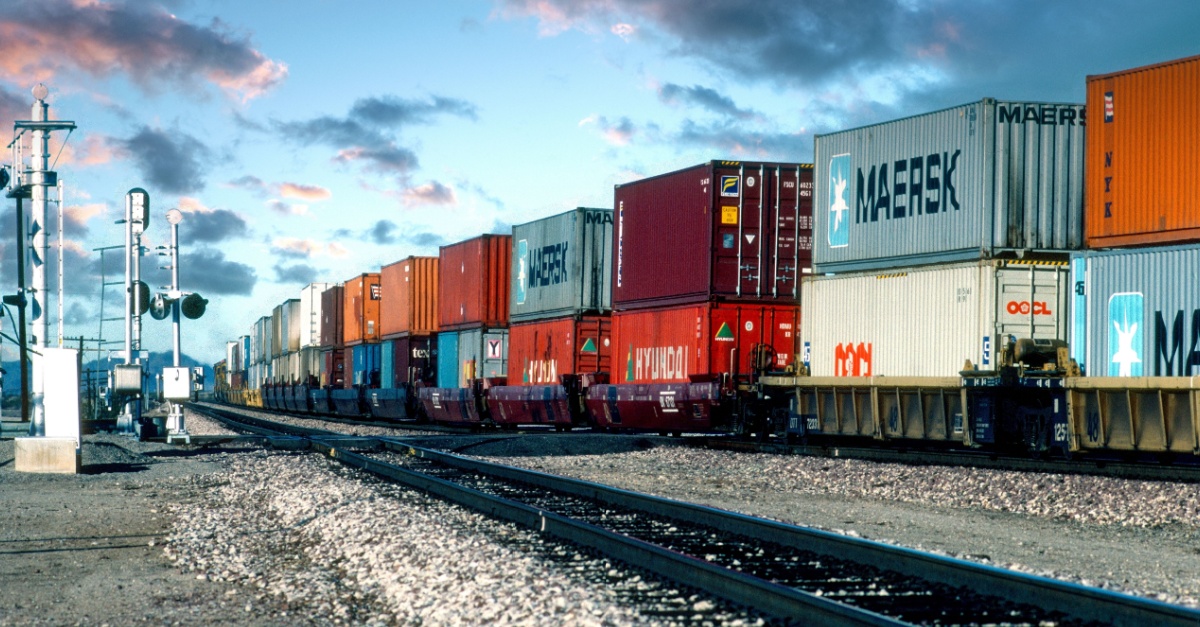

Efficient container loading is one of the most important and often overlooked drivers of success in intermodal shipping. Every cubic foot of unused space represents lost revenue, while poor loading practices can lead to damaged goods, regulatory issues, and costly delays.
For shippers moving freight across truck, rail, and ocean, maximizing intermodal container space is about improving operational efficiency, reducing transportation costs, and ensuring cargo arrives safely at its destination.
Before developing a loading strategy, it’s essential to understand the different container types available in intermodal shipping. The most common options include:
Each container type has unique dimensions and weight limits that directly influence how cargo should be loaded. Selecting the right container for your freight is critical not only for maximizing space, but also for maintaining compliance with weight restrictions and preserving cargo integrity. Working with an experienced logistics partner ensures that container selection aligns with your shipment’s specific requirements.
Efficient intermodal loading starts long before the container arrives at the dock. A thorough cargo assessment should evaluate:
Creating a detailed loading plan or schematic helps eliminate guesswork and ensures that space is used effectively. Many shippers now rely on digital load-planning tools to visualize cargo placement and optimize container utilization.
Partnering with a knowledgeable logistics provider also enhances planning and coordination. With proper preparation, shippers can reduce loading delays, avoid last-minute adjustments, and maximize container fill rates.
Proper weight distribution is critical in intermodal transportation, where cargo moves across multiple modes and must meet strict safety and regulatory standards.
To ensure compliance and stability:
Improper weight distribution can lead to rejected loads, safety hazards, or additional rehandling costs. Maintaining balanced loads not only protects cargo but also ensures smooth transitions between truck, rail, and port operations.
Maximizing vertical space is a key component of efficient intermodal loading. Strategic stacking allows shippers to fully utilize container height while maintaining cargo stability.
Best practices include:
Proper securement is essential for protecting freight during multimodal transit, during which containers are subject to vibrations, handling, and environmental changes. A well-secured load reduces the risk of damage and costly claims.
Packaging plays a significant role in how efficiently space is used in intermodal containers. Oversized or irregular packaging can create voids that reduce overall capacity.
To improve utilization:
Optimized packaging not only improves container fill rates but also lowers freight costs by reducing the number of shipments required.
Technology is transforming how shippers approach intermodal container loading. Modern tools such as load calculators, 3D modeling software, and digital inventory systems allow teams to plan and execute loads with greater precision.
These solutions help:
Investing in technology-driven intermodal solutions enables shippers to streamline operations, enhance accuracy, and achieve more consistent results.
Even experienced shippers can encounter challenges when loading intermodal containers. Some of the most common mistakes include:
Without an integrated approach, these issues can lead to delays, compliance violations, or damaged cargo. Clear communication and standardized processes are essential to avoiding costly errors.
Efficient intermodal loading doesn’t happen in isolation; it requires coordination across multiple stakeholders. Partnering with an experienced provider like VCPB Transportation ensures that every aspect of the process is aligned, from planning and container selection to execution and delivery.
With a strong network, industry expertise, and a customer-first approach, VCPB Transportation helps shippers:
This level of coordination translates into real-world benefits, including improved reliability and stronger supply chain performance.
Efficient container loading is a cornerstone of successful intermodal shipping. By focusing on planning, weight distribution, securement, and technology, shippers can significantly improve space utilization and reduce overall costs.
VCPB Transportation is a trusted partner for businesses seeking optimized intermodal solutions. With the right expertise and a commitment to operational excellence, VCPB helps ensure that every container is loaded efficiently and every shipment moves seamlessly. Reach out to VCPB Transportation to optimize your intermodal strategy and start shipping smarter today.
VCPB Transportation
600 Meadowlands Pkwy Secaucus, NJ 07094
(201) 770-0111